Industries We Work In
Explore Our Services


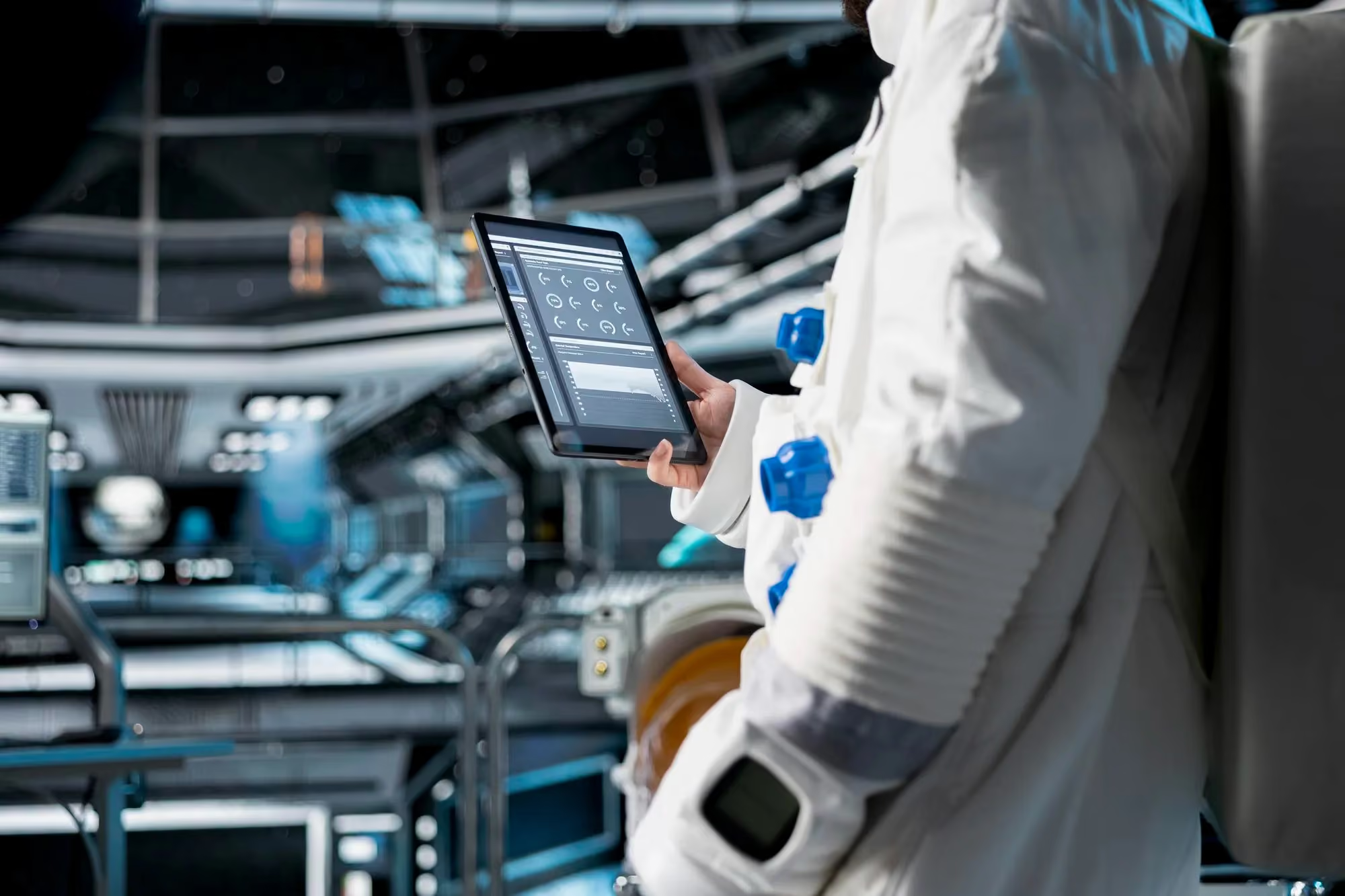
I have experience in developing medical devices in different jurisdictions.
EU: Parker Hannifin in the UK — a Class IIb medical device project.
Canada: Devices for startups and established manufacturers targeting domestic, US and global markets, including Laborie in the urology field.
USA: An assembly line for Neurotech Pharmaceuticals, a biotech developing therapies for chronic eye disease — with vision inspection for quality checks and Universal Robots cobots moving parts through a cleanroom. We also build on proven platforms such as HiArc.
I have personally worked on reactor inspection systems at one of the world's largest nuclear generating facilities.
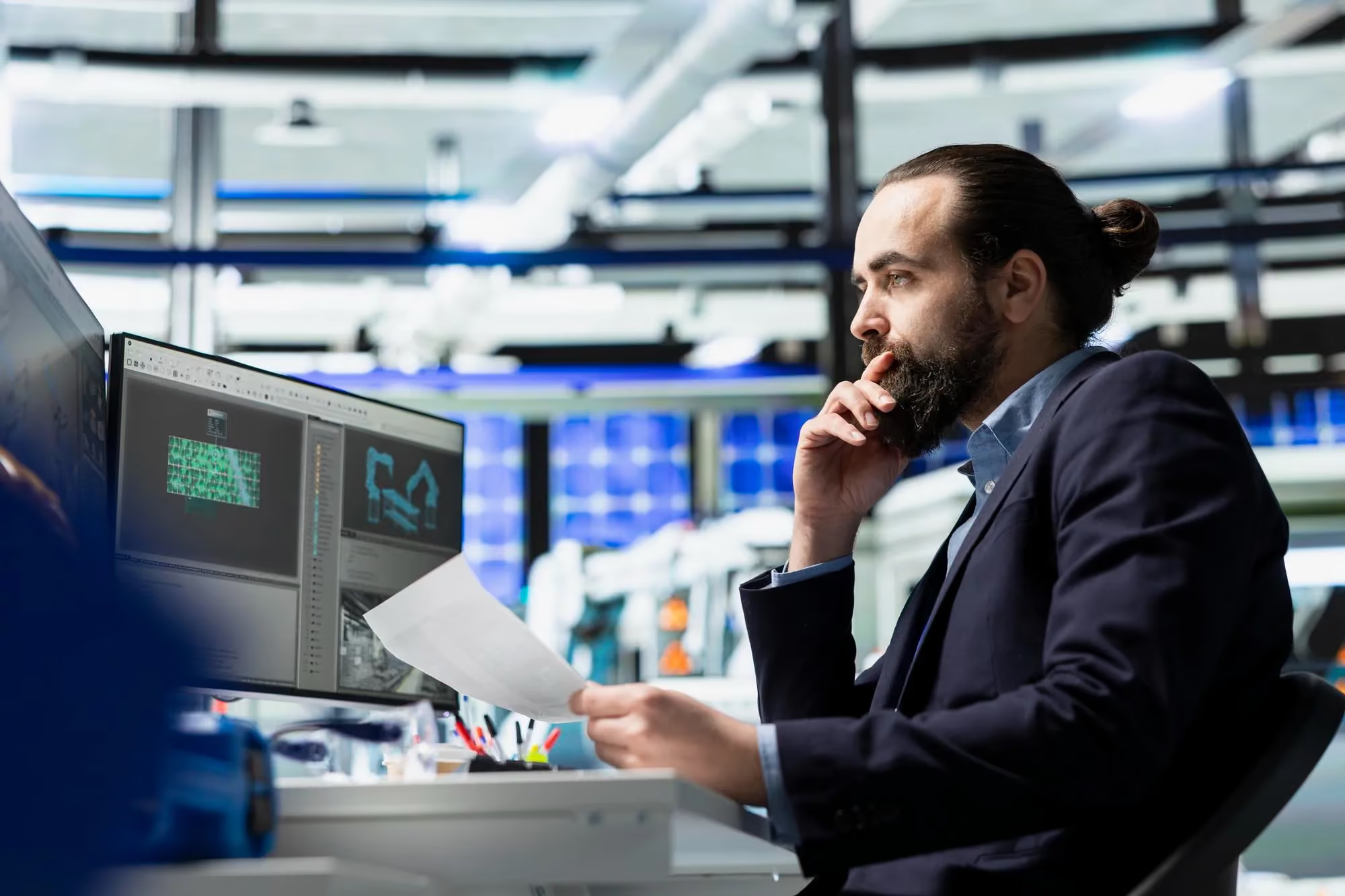
Bruce Power, North Ontario: I worked on the nuclear reactor inspection project for Bruce Power, one of the largest nuclear power generating facilities in the world.
BRANDE tool: I was the architect on the BRANDE tool. The project explainer video is available here: Bruce Power — BRIMS
High-speed data acquisition sits at the centre of this work. My experience includes developing those systems and deploying them inside a strictly regulated environment, where traceability, documentation and reliability requirements are as demanding as the measurements themselves.
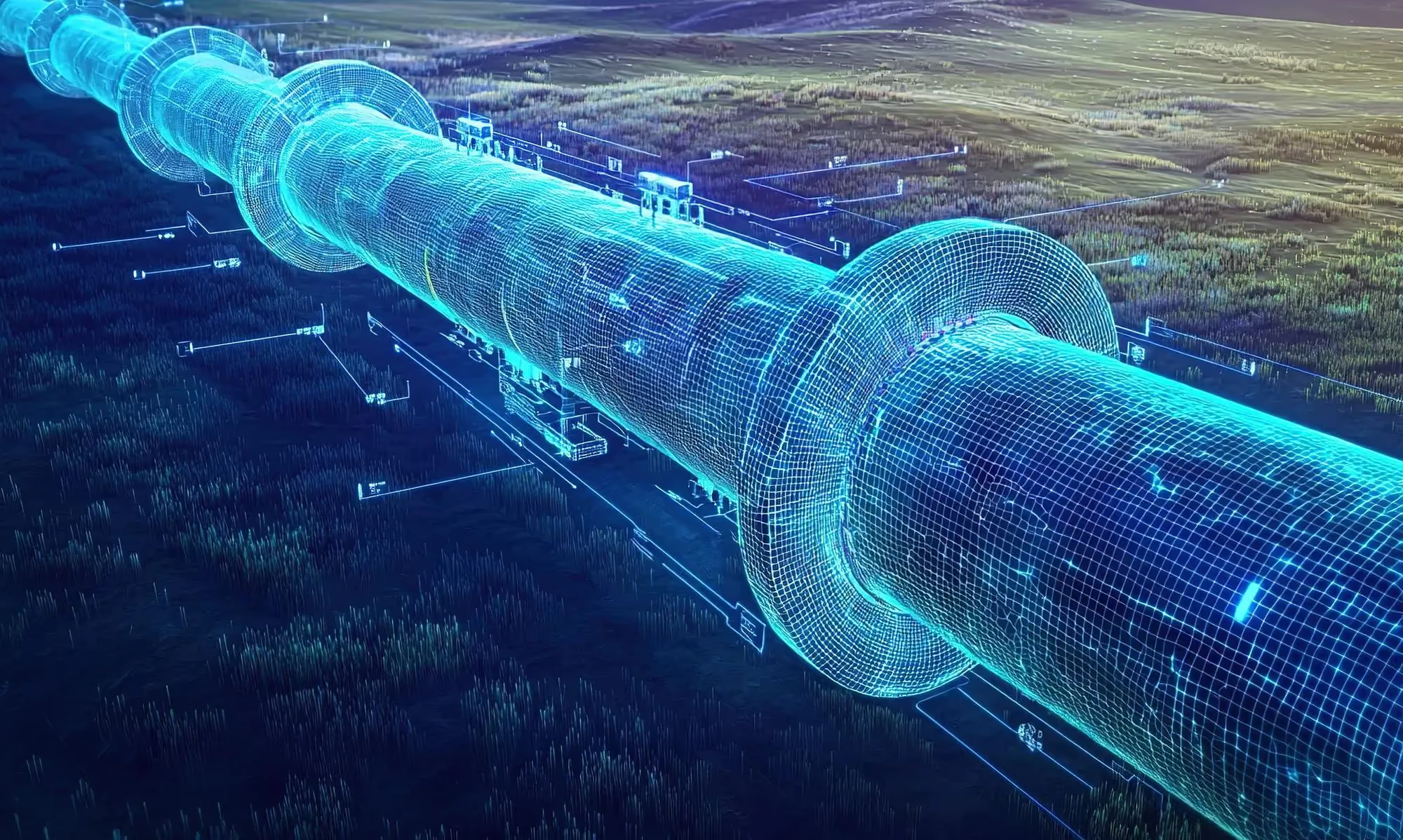
High-speed data acquisition that turns optical fibre into a distributed sensor for leak detection.
Leak detection: Experience includes development of a high-speed data acquisition system used in the oil and gas industry to provide leak detection capabilities. It turns optical fibre into a microphone, so a pipeline can be listened to continuously along its entire length.
Reference: The sensing technology behind this approach is described here: iDAS Acoustic Sensing with Silixa Technology | Silixa Ltd.
Because the sensing element is the fibre itself, a single acquisition system can cover tens of kilometres with no powered instrumentation in the field — which matters when the asset runs through remote or hazardous terrain.
Industrial test stand software for automotive components, where cycle time and uptime decide everything.
Test stands: I have worked on the design of sophisticated industrial test stand software used to test automotive components.
The challenge: Production volumes in the automotive industry are very high, and there is great emphasis on cycle time as well as on the reliability of production equipment.
Downtime usually means huge losses, so it is imperative to ensure minimal to no downtime of equipment operation, alongside very reliable and fast part throughput. I have worked on test stand development for projects deployed in Mexico for a global auto-parts manufacturer.
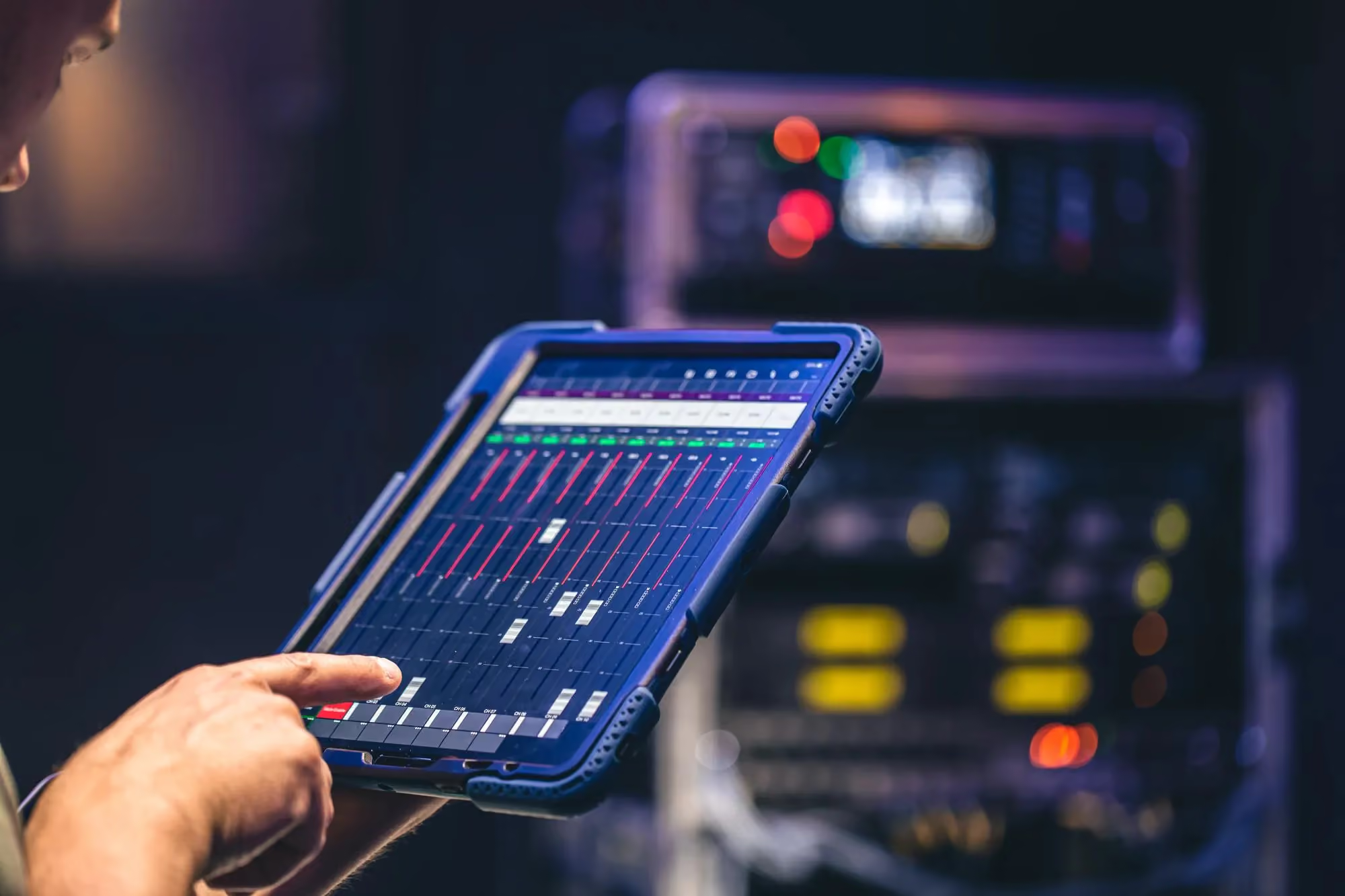
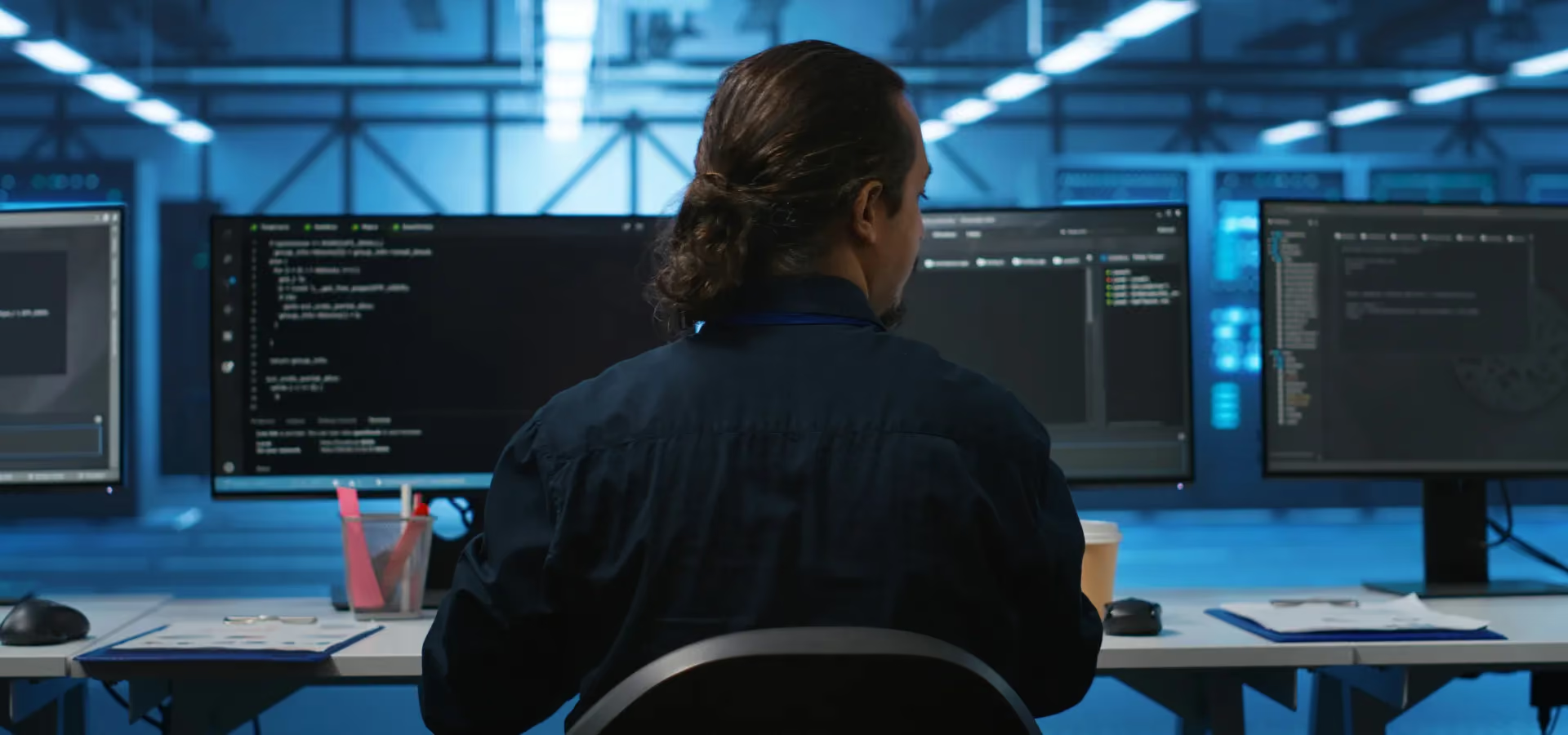
Test harnesses and automated verification for software deployed in engine and turbine control.
Test harnesses: I have experience building test harnesses for software deployed in engine control and turbine control projects.
Automated verification: I have worked on creating sophisticated, automated test suites that validate and verify control software without manual intervention. Notable experience was gained while working at Woodward.
Engine and turbine control software carries a heavy verification burden: the same suite has to prove correct behaviour across a wide envelope of operating conditions, and it has to do so repeatably every time the software changes.
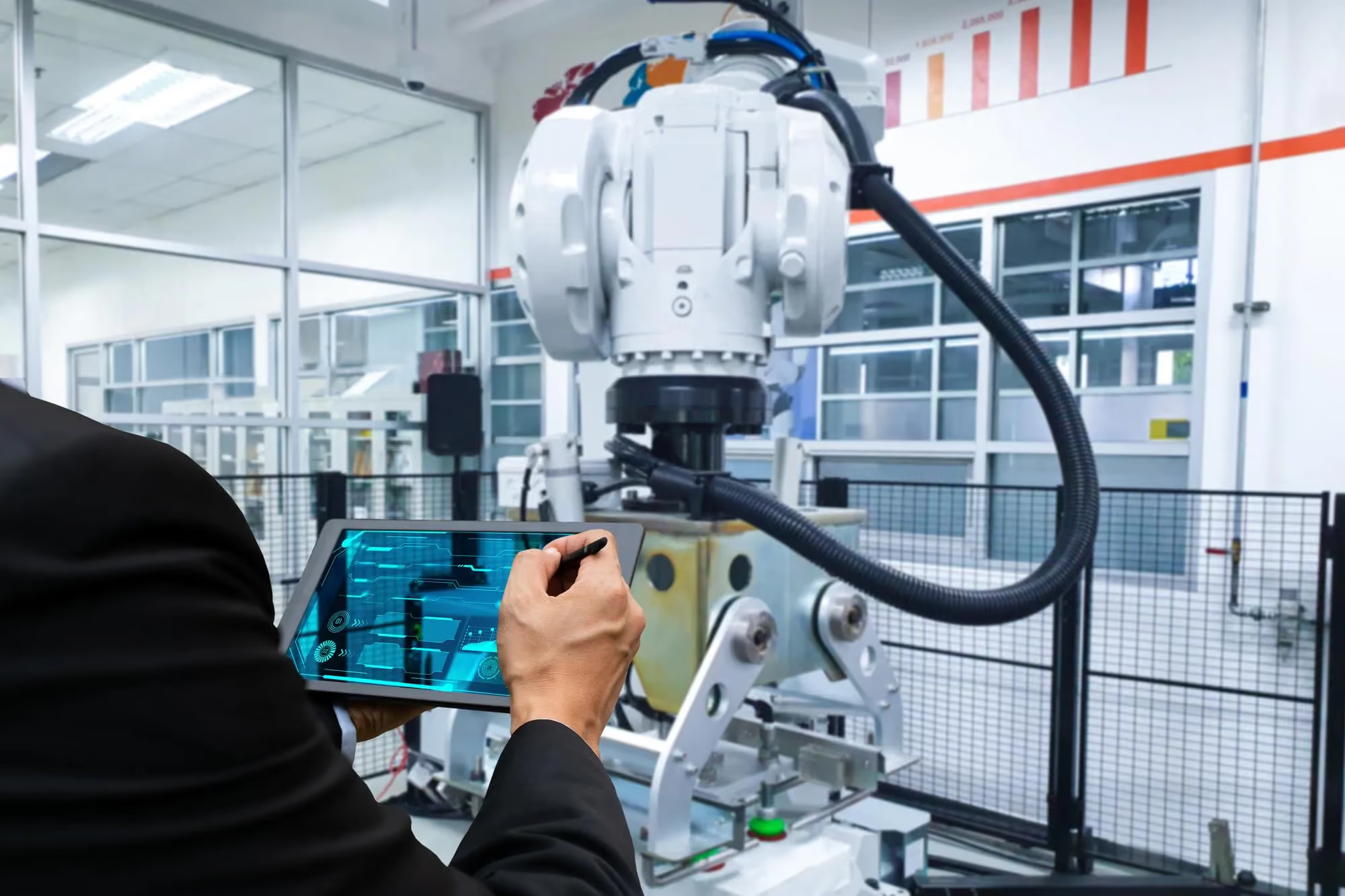
Industrial software that drives collaborative robots — and simulates them before they reach the floor.
Industrial robotics: Experience building software in industrial settings that interacts with collaborative robots, and deploying solutions that both drive the robots and enable virtual simulation of robotic projects.
Simulation first: This allows development, testing and prototyping of a solution, or evaluation of changes in a virtual environment, before anything is applied to a deployed system — including systems containing multiple robots working as a single solution. Reference: Isaac Sim | NVIDIA Developer
Simulating first shortens commissioning time on site and removes a whole class of risk: collisions, unreachable poses and cycle-time problems surface in the model rather than on a live production line.

Senior R&D Software Engineer
P.Eng., PMP
Vice President, Program Management Office — Data Centers
Lead Software Engineer — Aerospace & Defense
Product Cybersecurity Engineer
COO and Leadership Coach, Trebuchet Group
Senior R&D Software Engineer
P.Eng., PMP
Vice President, Program Management Office — Data Centers
Lead Software Engineer — Aerospace & Defense
Product Cybersecurity Engineer
COO and Leadership Coach, Trebuchet Group

Tell us what you're building — a prototype, an automated test system, or software for a regulated device — and we'll tell you honestly whether we're the right fit.